
When does something become a safety
concern?
An unusual sound. A reading that does not quite fit. A colleague hesitating. A feeling that
something is wrong.
Someone notices … but what happens next?
They might investigate, ask another person, report it, stop the activity or continue
watching. They might also decide that it does not deserve further attention.
The Noticing Loop offers questions for examining that process:
What became noticeable, what did it seem to mean, and what made the next step seem reasonable?
Noticing is only the beginning
Imagine an operator notices a brief change in a machine’s sound. It has happened before without an apparent problem.
Should they continue, check it or stop?
Their judgment may depend on previous experience, training, workload, available information and the consequences of
both continuing and stopping.
But what if nobody notices the change? Perhaps it was too subtle, attention was elsewhere, or the relevant information
never reached the person who needed it.
That raises another question: what might help us recognise a developing concern before the consequences become
obvious?
Familiarity may help them recognise harmless variation. It may also encourage them to dismiss a developing problem.
“It has happened before” is relevant information. It does not, by itself, establish that continuing is safe.
Enough reason to investigate?
A person may be unsure what a signal means but still have
enough reason to ask a question.
The evidence needed to justify a closer look may differ
from the evidence needed to stop an operation. An urgent
situation may also require action before the explanation is
clear.
Useful questions include:
•
What might this indicate?
•
What else could explain it?
•
What could we check?
•
What are the possible consequences of continuing?
•
What are the consequences of stopping or delaying?
•
How much time do we have?
The next step need not settle the whole problem. It may
simply help establish what deserves attention next.
Can the concern be shared?
Someone may notice a possible problem and still hesitate to speak.
They may struggle to explain it, expect to be dismissed or be unsure who should receive the concern. Previous reports
may have produced no visible response. Challenging a more senior person may feel costly.
A concern can also be reported without reaching someone able to act.
So we need to examine more than whether someone spoke up:
Who received the concern, what did they understand, and who was responsible for the next step?
Making reporting possible matters. So does making the response visible.
Examine the sequence
The five stages offer one way to explore a safety decision. They are prompts, not a requirement that every event follows
a neat sequence.
Experience may change the person who encounters the next situation. Reporting and investigation may also change the
equipment, procedures, training or working conditions.
When nothing goes wrong
An operator checks a concern, takes action and no harm occurs.
Was the intervention necessary? The outcome alone may not tell us. The action may have prevented a problem—or
further examination may show that the concern was harmless.
The reverse is difficult too. Repeatedly continuing without an accident can increase confidence, even when the underlying
risk has not reduced.
No harm this time does not establish that the decision was sound. Nor does a bad outcome automatically
establish that it was unreasonable.
We need to examine the reasoning, the evidence and the
alternatives as well as the result.
Be careful with hindsight
After an event, an earlier warning may look obvious.
But several questions need separating:
•
Was the information present?
•
Was it accessible and understandable?
•
Did the person notice it?
•
What did they think it meant?
•
Should they reasonably have recognised its
significance?
•
Could they have acted differently?
A claim that someone should have noticed or intervened needs supporting evidence. Understanding their circumstances
helps us examine responsibility more carefully.
Hindsight can help improve the next decision without pretending the outcome was known in advance.
Can training help earlier?
Training can practise more than the response to a stated problem. It can also explore whether people recognise when
something deserves investigation.
An exercise might unfold in stages. Before revealing what happens next, ask learners:
•
What have you noticed?
•
What might it mean?
•
What would you check?
•
Would you act, continue monitoring or seek help?
•
What would lead you to reconsider?
Include ordinary situations where intervention is unnecessary, alongside uncertain and developing problems.
The aim is to practise distinguishing what deserves attention, not to teach people that every unusual detail signals
danger.
Training also needs to consider expectations. Someone who knows an exercise contains a hidden problem may actively
search for it.
Recognising the same problem during ordinary work, when nothing unusual is expected, can be a different challenge.
Training can explore both abilities, without assuming that success in one guarantees success in the other.
A starting point for examination
For a current concern or a past event, you might ask:
•
What was being treated as normal?
•
What made the difference seem important (or harmless)?
•
What demands competed for attention?
•
Which options were visible and practical?
•
What made speaking up easier or harder?
•
Who could make and carry out the next decision?
•
What did the outcome change?
•
What deserves another look?
Use, adapt or add to these questions as the situation requires.
The Noticing Loop supports this examination alongside professional expertise and established safety processes. It does
not calculate risk, set acceptable standards or determine the operational response.
It helps us examine how a possible concern was noticed, interpreted, shared and acted on - and what we
might learn for next time.
Safety


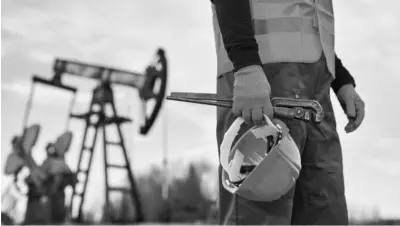
“Before we can deal with a danger, someone must first
notice that something may be wrong.”

“Noticing is not enough.
The concern must reach someone who can act.”
i

STAGE
QUESTIONS TO EXPLORE
Detection
What information was available? What registered, and what attracted attention?
Evaluation
What did the person think it meant? Which explanations and alternatives did they consider?
Commitment
What seemed sufficient to justify investigating, continuing, reporting or intervening?
Action
What did they do? Could they carry out the response in those circumstances?
Learning
What did the outcome give them reason to keep, question or change?
© The Noticing Loop - 2026

NOTICING
Detect
Notice
Evaluate
Commit
Act
Learn
BEING NOTICED
Learn
Act
Commit
Evaluate
Notice
Detect


- Potential Uses
- Learning
- Training
- Intelligence & Assessment
- Expertise & Diagnosis
- Creativity & Discovery
- Communication
- Agreement & Disagreement
- Trust & Deception
- Buying & Selling
- Opinions & Surveys
- Responsibility & Hindsight
- Teams & Organisations
- Safety
- Risk & Uncertainty
- Artificial Intelligence
- Change
- Proverbs



When does something
become a safety
concern?
An unusual
sound. A reading
that does not
quite fit. A
colleague
hesitating. A
feeling that
something is
wrong.
Someone notices … but what happens next?
They might investigate, ask another person,
report it, stop the activity or continue watching.
They might also decide that it does not deserve
further attention.
The Noticing Loop offers questions for examining
that process:
What became noticeable, what did it seem
to mean, and what made the next step
seem reasonable?
Noticing is only the
beginning
Imagine an operator notices a brief change in a
machine’s sound. It has happened before
without an apparent problem.
Should they continue, check it or stop?
Their judgment may depend on previous
experience, training, workload, available
information and the consequences of both
continuing and stopping.
But what if nobody notices the change? Perhaps
it was too subtle, attention was elsewhere, or
the relevant information never reached the
person who needed it.
That raises another question: what might help
us recognise a developing concern before the
consequences become obvious?
Familiarity may help them recognise harmless
variation. It may also encourage them to dismiss
a developing problem.
“It has happened before” is relevant
information. It does not, by itself, establish
that continuing is safe.
Enough reason to
investigate?
A person may be unsure what a signal means
but still have enough reason to ask a question.
The evidence needed to justify a closer look may
differ from the evidence needed to stop an
operation. An urgent situation may also require
action before the explanation is clear.
Useful questions include:
•
What might this indicate?
•
What else could explain it?
•
What could we check?
•
What are the possible consequences of
continuing?
•
What are the consequences of stopping or
delaying?
•
How much time do we have?
The next step need not settle the whole
problem. It may simply help establish what
deserves attention next.
Can the concern be
shared?
Someone may notice a possible problem and still
hesitate to speak.
They may struggle to explain it, expect to be
dismissed or be unsure who should receive the
concern. Previous reports may have produced no
visible response. Challenging a more senior
person may feel costly.
A concern can also be reported without reaching
someone able to act.
So we need to examine more than whether
someone spoke up:
Who received the concern, what did they
understand, and who was responsible for
the next step?
Making reporting possible matters. So does
making the response visible.
Examine the sequence
The five stages offer one way to explore a safety
decision. They are prompts, not a requirement
that every event follows a neat sequence.
Experience may change the person who
encounters the next situation. Reporting and
investigation may also change the equipment,
procedures, training or working conditions.
When nothing goes
wrong
An operator checks a concern, takes action and
no harm occurs.
Was the intervention necessary? The outcome
alone may not tell us. The action may have
prevented a problem—or further examination
may show that the concern was harmless.
The reverse is difficult too. Repeatedly
continuing without an accident can increase
confidence, even when the underlying risk has
not reduced.
No harm this time does not establish that
the decision was sound. Nor does a bad
outcome automatically establish that it was
unreasonable.
We need to examine the reasoning, the evidence
and the alternatives as well as the result.
Be careful with
hindsight
After an event, an earlier warning may look
obvious.
But several questions need separating:
•
Was the information present?
•
Was it accessible and understandable?
•
Did the person notice it?
•
What did they think it meant?
•
Should they reasonably have recognised its
significance?
•
Could they have acted differently?
A claim that someone should have noticed or
intervened needs supporting evidence.
Understanding their circumstances helps us
examine responsibility more carefully.
Hindsight can help improve the next decision
without pretending the outcome was known in
advance.
Can training help
earlier?
Training can practise more than the response to
a stated problem. It can also explore whether
people recognise when something deserves
investigation.
An exercise might unfold in stages. Before
revealing what happens next, ask learners:
•
What have you noticed?
•
What might it mean?
•
What would you check?
•
Would you act, continue monitoring or seek
help?
•
What would lead you to reconsider?
Include ordinary situations where intervention is
unnecessary, alongside uncertain and developing
problems.
The aim is to practise distinguishing what
deserves attention, not to teach people that
every unusual detail signals danger.
Training also needs to consider expectations.
Someone who knows an exercise contains a
hidden problem may actively search for it.
Recognising the same problem during ordinary
work, when nothing unusual is expected, can be
a different challenge.
Training can explore both abilities, without
assuming that success in one guarantees
success in the other.
A starting point for
examination
For a current concern or a past event, you might
ask:
•
What was being treated as normal?
•
What made the difference seem important (or
harmless)?
•
What demands competed for attention?
•
Which options were visible and practical?
•
What made speaking up easier or harder?
•
Who could make and carry out the next
decision?
•
What did the outcome change?
•
What deserves another look?
Use, adapt or add to these questions as the
situation requires.
The Noticing Loop supports this examination
alongside professional expertise and established
safety processes. It does not calculate risk, set
acceptable standards or determine the
operational response.
It helps us examine how a possible concern
was noticed, interpreted, shared and acted
on - and what we might learn for next time.
Safety
“Noticing is not enough.
The concern must reach someone who can act.”
i

“Before we can deal with a danger, someone must first
notice that something may be wrong.”

Safety

STAGE
QUESTIONS TO EXPLORE
Detection
What information was available? What
registered, and what attracted attention?
Evaluation
What did the person think it meant?
Which explanations and alternatives did
they consider?
Commitment
What seemed sufficient to justify
investigating, continuing, reporting or
intervening?
Action
What did they do? Could they carry out
the response in those circumstances?
Learning
What did the outcome give them reason
to keep, question or change?
NOTICING
Detect
Notice
Evaluate
Commit
Act
Learn
BEING NOTICED
Learn
Act
Commit
Evaluate
Notice
Detect

- Home
- Explore
- Uses
- Uses
- Learning
- Training
- Intelligence & Assessment
- Expertise & Diagnosis
- Creativity & Discovery
- Communication
- Agreement & Disagreement
- Trust & Deception
- Buying & Selling
- Opinions & Surveys
- Responsibility & Hindsight
- Teams & Organisations
- Safety
- Risk & Uncertainty
- Artificial Intelligence
- Change
- Proverbs
- Videos
- Try the Noticing Loop
- Do Good
- About